News details

Over the past five years, Luxembourg has become one of Portugal’s most dynamic investment partners, with foreign direct investment (FDI) flows increasing by an estimated 834% since early 2019. This remarkable rise reflects both the strength of Luxembourg’s financial ecosystem and Portugal’s growing appeal as a destination for international capital, innovation, and sustainable growth.
Cross‑Border Investment: Why Luxembourg Is Rapidly Increasing Its Footprint in Portugal
Today, Luxembourg stands among the top investors in Portugal — 6th according to the Refinitiv database — a position driven largely by the country’s sophisticated financial services sector and its role as a global hub for cross border investment structuring.
Why Has Luxembourg’s FDI in Portugal Grown So Rapidly?
Several factors explain this impressive expansion:
• Luxembourg’s financial center plays a central role in structuring international investments. Many multinational groups and investment funds use Luxembourg as a platform for corporate structures, holding companies, and cross border financing. These flows are recorded statistically as Luxembourg-origin FDI, even when the ultimate investor may be based elsewhere.
• Portugal has become a highly attractive destination for global investors, particularly in IT, energy, and services, sectors that align with Luxembourg’s investment profile.
• Round tripping effects amplify Luxembourg’s statistical weight. Around 17% of FDI into Portugal is considered round tripping — meaning Portuguese investors route their capital through Luxembourg for efficiency, governance, or financing reasons.
• Greenfield investment also flows through Luxembourg. Approximately 7% of greenfield projects in Portugal are financed by investors who channel their funds via Luxembourg.
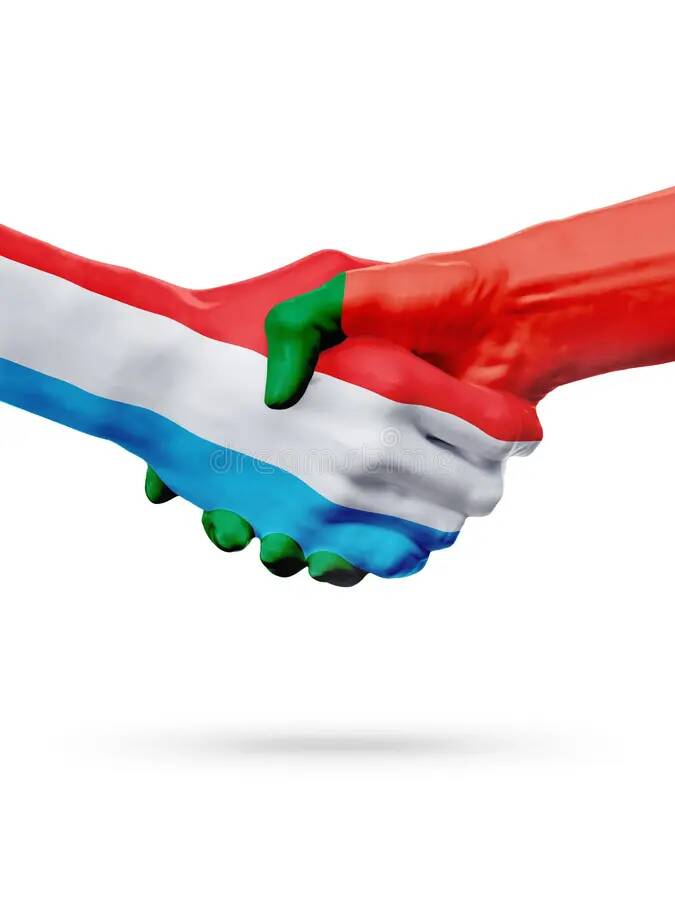
Together, these dynamics create a strong and growing cross border investment corridor between the two countries.
Where Have Luxembourg Investments Materialized?
In recent years, several Luxembourg based companies have expanded their presence in Portugal, contributing to the country’s economic diversification and innovation capacity. Notable examples include:
• Losch – strengthening its activities and footprint in the Portuguese market.
• PwC Luxembourg – deepening advisory and corporate services connections with Portugal.
• Cap4Life – investing in health, well being, and lifestyle oriented projects.
Beyond these specific cases, Luxembourg linked investments have been particularly active in:
• Services (the leading sector for Luxembourg-origin FDI)
• Manufacturing
• Energy and renewables
• Technology and digital transformation
These sectors reflect both Portugal’s strategic priorities and Luxembourg’s strengths as a financial and corporate hub.
Recent Trends: A Strong Uptick from Late 2022 to Early 2023
The period from Q4 2022 to early 2023 marked a significant acceleration in investment flows into Portugal. This surge aligns with:
• Europe’s post pandemic economic rebound
• Increased investor appetite for digital, green, and innovation driven projects
• Portugal’s rising visibility in international competitiveness and FDI rankings
Luxembourg linked investments followed this momentum closely, supported by:
• Higher fund activity
• Renewed corporate restructuring
• Stronger cross border project pipelines
• Growing interest in Portugal’s energy transition and tech ecosystem
This positive trend has continued into 2024–2026, reinforcing Luxembourg’s role as a strategic partner in Portugal’s economic development.
A Strengthening European Investment Bridge
The rapid growth of Luxembourg’s FDI in Portugal is more than a statistical trend — it reflects a deeper, long term partnership between two complementary economies:
• Luxembourg as a global gateway for investment structuring and financial expertise
• Portugal as a dynamic, innovation driven market with strong opportunities in services, technology, manufacturing, and energy.
As cross border investment continues to expand, the Luxembourg–Portugal corridor is set to remain one of the most relevant and strategic channels for European economic cooperation.